Serving Naperville and 8 nearby suburbs
Whole-Home Generator Installation in Naperville, IL
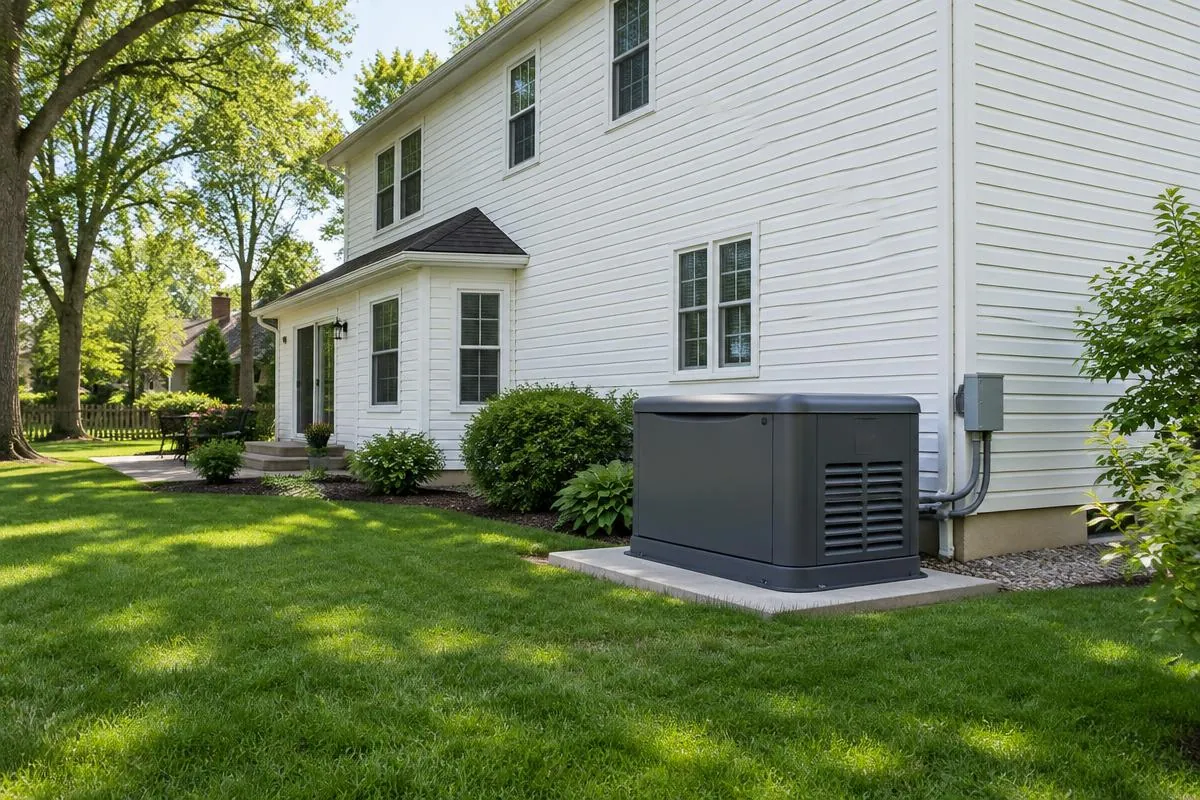
A standby generator starts itself when the power goes out and keeps your lights, furnace, sump pump and fridge running. We connect you with a local, licensed and insured installer who sizes, installs, repairs and maintains whole-home units across Naperville and the surrounding suburbs.
- Starts itself within seconds of an outage
- Runs on the natural gas or propane you already have
- No cords, no refueling, no going outside in the dark
- Permits and inspections handled by your installer
Why standby power in Naperville
Most of the calls we get aren't about convenience. They're about the things that stop working the second the power does.
Summer storms and winter events
Straight-line winds, lightning and ice are what take lines down around here. Most outages are short; the ones after a bad storm are not.
Outages that outlast the flashlights
A standby unit is awake the whole time. It picks up the house automatically and keeps running for hours or days without anyone topping off a tank.
Sump pumps
A pump stops the moment power stops, and a basement fills. Keeping the pump powered is the main reason a lot of Naperville homeowners call us.
Medical devices
Oxygen concentrators, CPAP, refrigerated medication and powered lifts don't wait for a convenient hour. A standby generator doesn't ask.
Work from home
Router, modem, monitors, furnace on a January afternoon. An outage costs you the rest of the day unless the house stays powered.
What we connect you with
Three things, done for the whole house: install it, fix it, keep it running. Every job is performed by the local, licensed and insured installer we match you with.
Installation
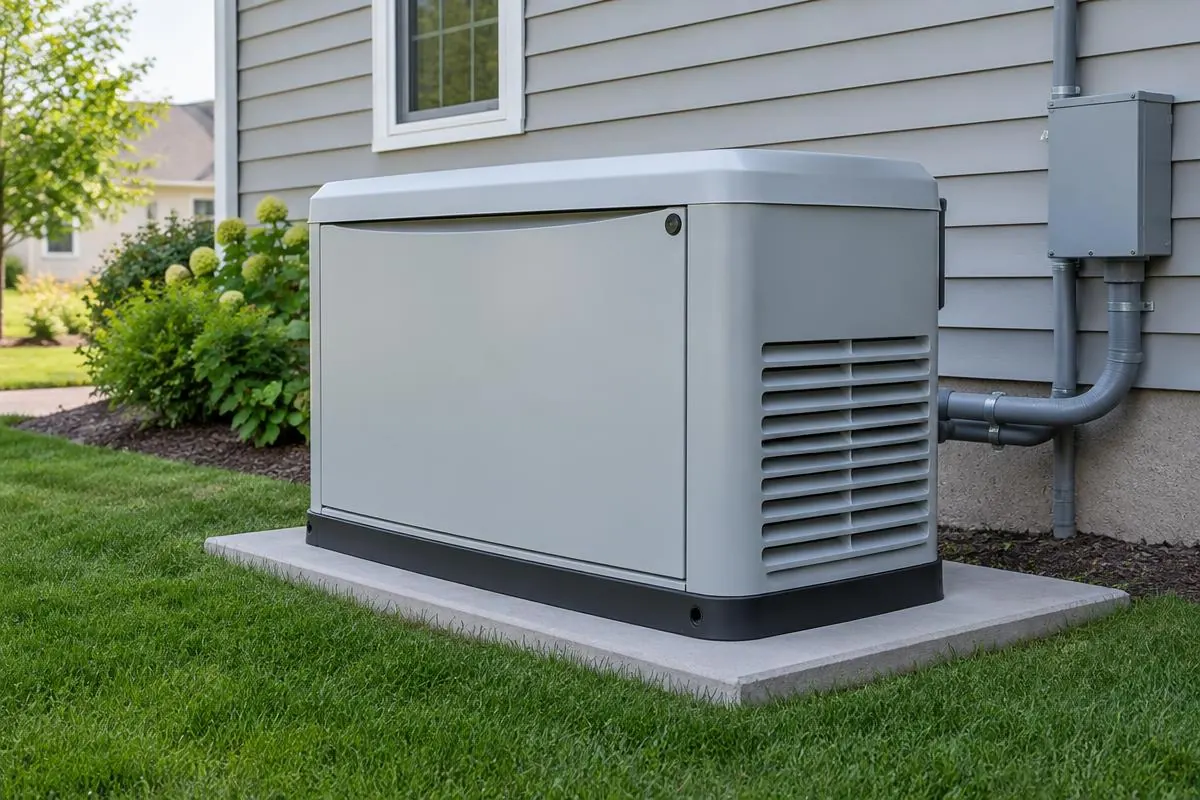
Sizing, permits, gas and electrical hookup, transfer switch, startup and walkthrough.
Installation details →Repair
Won't start, fault codes, failed to transfer, running rough or leaking — the installer diagnoses and fixes it.
Repair details →Maintenance
Oil, filters, battery test, coolant and a run under load so it's ready when the grid goes down.
Maintenance details →How it works
From your first message to a written quote, here's the whole path.
- 1
Tell us about your home
Call or send the form. Tell us what you need — a new install, a repair, or maintenance — and a little about your home and what you want powered.
- 2
We match you with one local installer
We connect you with one local, licensed and insured generator installer who covers your town — not a list of strangers bidding on your job.
- 3
The installer contacts you
The installer reaches out to schedule your consultation and quote. They look at your home, size the job, and give you a written, itemized price.
What does it cost?
Price comes down to the size you need, how far the gas line has to run, the condition of your electrical panel, and what your town requires for permits and inspection. Our cost page publishes honest estimate ranges so you can plan — but no website number is your number.
The installer we match you with gives you a written, itemized quote after actually looking at the home.
Questions homeowners ask us
How long does installation take?
The physical install — setting the unit on its pad, running the gas line and wiring the transfer switch — is usually done in a day or two. The longer pole is permits and inspections, which add time before and after the work and vary by town. From signed quote to a fully inspected, running system, most Naperville-area projects take a few weeks.
Do I need a permit in Naperville?
Yes. A standby generator installation involves electrical work and usually gas piping, and both require permits and a final inspection. The same is true in the surrounding suburbs, though each village runs its own process. The installer pulls the permits and schedules the inspections as part of the job — you don't have to visit a municipal office.
What size generator do I need?
It depends on what you want powered. Backing up essentials — furnace, refrigerator, sump pump, some lights and outlets — takes a smaller unit than running the whole house including central air conditioning. The installer does a load calculation during the consultation and recommends a size in kilowatts. For whole-home coverage, most homes in this area land in the 18–24 kW range.
What happens when the power goes out?
Nothing you have to do. The automatic transfer switch senses the outage within seconds, starts the generator and moves your home onto generator power. When utility power returns, it switches you back and shuts the generator down. Whether you're home, asleep or on vacation, the sequence is the same.
Where we work
Naperville · Lisle · Downers Grove · Bolingbrook · Plainfield · Aurora · Wheaton · Woodridge · Warrenville